Looking for a comprehensive eye exam in Newmarket? A comprehensive eye exam is much more than determining whether you need glasses. It is a complete assessment of your vision, eye function, and overall eye health that helps detect problems early—often before noticeable symptoms develop.
At Moon Optik, our comprehensive eye exams are designed to evaluate how well you see while also identifying eye diseases and health conditions that may affect your vision. Whether you're coming in for a routine check-up, experiencing changes in your eyesight, or updating your prescription, our experienced team provides personalized care using modern diagnostic technology.
Regular comprehensive eye exams are one of the most effective ways to protect your vision, maintain healthy eyes, and ensure that any changes are identified as early as possible.
What Is a Comprehensive Eye Exam?
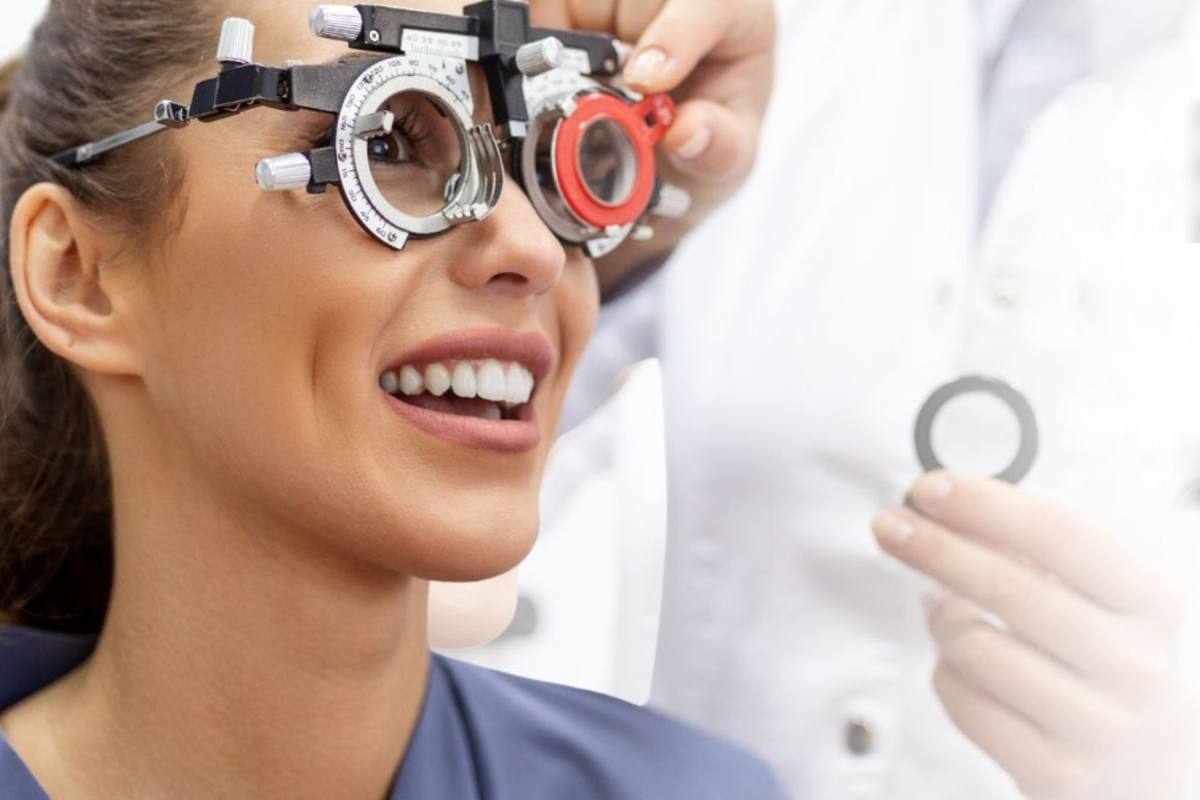
A comprehensive eye exam is a detailed evaluation performed by an optometrist to assess both the quality of your vision and the overall health of your eyes. Unlike a basic vision screening, which only checks how well you can see at a distance, a comprehensive examination includes multiple tests that evaluate your prescription, eye coordination, focusing ability, eye pressure, retinal health, and optic nerve.
Many eye diseases develop gradually without causing pain or noticeable vision changes. By performing regular comprehensive eye exams, potential problems can often be detected before permanent vision loss occurs.
These examinations are recommended for people of all ages, from young children to seniors, because eye health changes throughout every stage of life.
A vision screening performed at school or during a driver's licence renewal is not a substitute for a comprehensive eye examination.
What Does a Comprehensive Eye Exam Include?
Every patient is unique, but most comprehensive eye exams include a combination of diagnostic tests designed to evaluate your vision and detect early signs of disease.
Medical and Vision History
Your appointment begins with a discussion about your current vision, medical history, medications, previous eye conditions, family history of eye disease, and any symptoms you may be experiencing.
Visual Acuity Testing
Your ability to see clearly at different distances is measured using standardized eye charts. This helps determine whether your current prescription remains accurate.
Refraction Test
If needed, your optometrist performs a refraction test to determine the prescription that provides the clearest and most comfortable vision for glasses or contact lenses.
Eye Muscle Evaluation
Your eyes work together as a team. During the examination, eye alignment, coordination, and focusing ability are assessed to ensure comfortable binocular vision.
Eye Pressure Measurement
Measuring intraocular pressure helps identify individuals who may be at risk for glaucoma, one of the leading causes of irreversible vision loss.
Slit Lamp Examination
A slit lamp microscope allows your optometrist to closely examine the eyelids, cornea, iris, lens, and other structures located at the front of the eye.
Retinal Examination
The retina, optic nerve, and blood vessels inside the eye are carefully evaluated for signs of disease, damage, or changes that could affect your vision.
Additional Testing
Depending on your age, medical history, symptoms, and examination findings, additional diagnostic imaging or specialized tests may be recommended to provide a more complete assessment.
Who Should Have a Comprehensive Eye Exam?
Comprehensive eye exams are recommended for everyone—not only people who wear glasses. Regular examinations help maintain healthy vision throughout every stage of life.
Children
Healthy vision plays a critical role in learning and development. Comprehensive eye exams help detect focusing problems, eye coordination issues, and other conditions that may affect academic performance.
Adults
Adults benefit from routine eye exams to keep prescriptions up to date, reduce digital eye strain, and monitor for early signs of common eye diseases.
Seniors
As people age, conditions such as cataracts, glaucoma, and macular degeneration become more common. Annual comprehensive eye exams help detect these conditions as early as possible.
People with Medical Conditions
Individuals living with diabetes, high blood pressure, autoimmune diseases, or a family history of eye disease often require regular comprehensive examinations to monitor changes that could affect their eyesight.
Never wait until your vision becomes blurry before scheduling an eye exam. Many serious eye diseases develop silently and can only be detected through regular professional examinations.
Eye Conditions That Can Be Detected During a Comprehensive Eye Exam
One of the greatest benefits of a comprehensive eye exam is the ability to identify eye diseases before noticeable symptoms develop. Early diagnosis often leads to more effective treatment and better long-term outcomes.
Glaucoma
Glaucoma gradually damages the optic nerve and is often called the "silent thief of sight" because it rarely causes symptoms during its early stages.
Cataracts
Cataracts slowly cloud the eye's natural lens, causing blurred vision, glare, and difficulty seeing at night. Regular eye exams monitor cataract development and determine when treatment becomes appropriate.
Age-Related Macular Degeneration
Macular degeneration affects central vision and becomes increasingly common with age. Early detection allows patients to receive ongoing monitoring and appropriate management.
Diabetic Retinopathy
People with diabetes are at increased risk of retinal damage caused by changes in blood vessels. Routine eye examinations help identify these changes before vision loss occurs.
Dry Eye Disease
Persistent dryness, burning, redness, and fluctuating vision may all indicate dry eye disease. Your optometrist can determine the cause and recommend the most appropriate treatment.
Routine comprehensive eye exams don't just improve your vision—they help protect it for years to come by detecting problems before they become serious.
How Long Does a Comprehensive Eye Exam Take?
A comprehensive eye exam typically takes between 30 and 45 minutes. The exact length depends on your vision needs, medical history, and whether additional tests are recommended during your visit.
If you are a new patient, have diabetes, wear contact lenses, or require retinal imaging, your appointment may take slightly longer to ensure every aspect of your eye health is properly evaluated.
| Appointment Type | Estimated Time |
|---|---|
| Routine Comprehensive Eye Exam | 30–45 Minutes |
| New Patient Eye Exam | 40–60 Minutes |
| Eye Exam with Contact Lens Fitting | 45–60 Minutes |
| Additional Diagnostic Testing | Varies Depending on Clinical Needs |
Our priority is never to rush your appointment. We take the time to answer your questions, explain your results, and make sure you understand the health of your eyes and any treatment recommendations.
How Often Should You Have a Comprehensive Eye Exam?
Routine eye examinations are one of the best ways to maintain healthy vision throughout your life. Even if your eyesight seems perfectly normal, eye diseases can develop without noticeable symptoms.
Your optometrist will recommend an examination schedule based on your age, medical history, family history, lifestyle, and overall eye health.
| Patient | Recommended Eye Exam |
|---|---|
| Children | According to your optometrist's recommendations during development |
| Healthy Adults | Every 1–2 years |
| Adults 65+ | Every year |
| Patients with Diabetes | Every year or more frequently if recommended |
| Patients with Eye Disease | As advised by your optometrist |
Many patients maintain 20/20 vision while early glaucoma or retinal disease is already developing. A comprehensive eye exam evaluates much more than visual acuity.
How to Prepare for Your Eye Exam
Preparing before your appointment helps ensure accurate results and allows your optometrist to better understand your vision needs.
- Bring your current glasses and sunglasses.
- Bring your contact lenses if you wear them.
- Have a list of your medications available.
- Know your personal and family medical history.
- Write down any vision concerns or symptoms you've noticed.
- Bring your insurance information if applicable.
If you are visiting Moon Optik for the first time, arriving a few minutes early will allow enough time to complete your patient information before your examination begins.
Why Choose Moon Optik for Your Comprehensive Eye Exam?
At Moon Optik, we believe every patient deserves more than a routine vision check. Our comprehensive eye exams combine advanced diagnostic technology with personalized care to help you achieve the best possible vision while protecting your long-term eye health.
- Comprehensive eye exams for children, adults, and seniors.
- Modern diagnostic equipment for accurate assessments.
- Experienced and caring optometrists.
- Personalized recommendations based on your lifestyle.
- Direct insurance billing available for many providers.
- Large selection of designer frames and premium prescription lenses.
- Conveniently located in Newmarket with flexible appointment scheduling.
Whether you need an updated prescription, have concerns about your vision, or simply want to stay proactive about your eye health, our team is committed to providing exceptional care in a comfortable and welcoming environment.
Your eye exam isn't just about helping you see better today. It's about protecting your vision for the years ahead through early detection, accurate prescriptions, and personalized eye care.
Book Your Comprehensive Eye Exam Today
If it has been more than a year since your last eye examination, or you've recently experienced blurred vision, headaches, eye strain, or difficulty driving at night, now is an excellent time to schedule an appointment.
A comprehensive eye exam gives you confidence that your vision is clear, your prescription is accurate, and your eyes are healthy. Our experienced team proudly serves patients throughout Newmarket and the surrounding communities with professional, patient-focused eye care.
Taking care of your eyes today can help protect your vision for years to come.


