
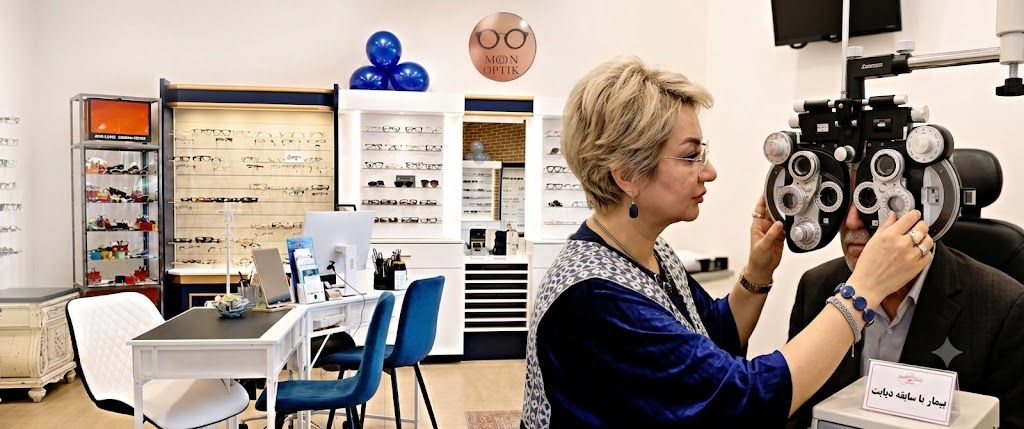
Diabetes can affect eye health before a person notices a change in vision. This guide explains why retinal monitoring matters and which concerns to discuss with your eye care provider.
If you are planning a visit, read about the assessment and preparation involved in a diabetic eye exam in Newmarket.
Why Diabetic Eye Exams Are So Important
Diabetes affects blood vessels throughout the body, including the delicate vessels inside the retina. Over time, elevated blood sugar levels may damage these vessels, causing leakage, swelling, or reduced blood flow that can permanently affect vision if left untreated.
The challenge is that diabetic eye disease often develops silently. Many patients continue seeing normally while retinal damage is already progressing.
Early Detection Protects Vision
Routine retinal examinations allow diabetic eye disease to be identified long before noticeable vision loss occurs. Early diagnosis provides the greatest opportunity for successful treatment.
Vision Changes May Occur Late
Many patients believe their eyes are healthy because they can still read or drive comfortably. Unfortunately, diabetic retinopathy often progresses without pain or early symptoms.
Regular Monitoring Is Essential
Even if previous examinations were normal, diabetes can affect the eyes over time. Regular monitoring helps your optometrist compare retinal images, identify subtle changes, and recommend treatment when necessary.
The best time to detect diabetic eye disease is before your vision begins to change.
What Is Diabetic Retinopathy?
Diabetic retinopathy is one of the most common complications of diabetes and one of the leading causes of preventable vision loss in adults. It occurs when diabetes damages the tiny blood vessels that nourish the retina.
As the disease progresses, these blood vessels may leak fluid, bleed, or close completely. In advanced stages, abnormal new blood vessels may develop, increasing the risk of serious vision complications.
Risk Factors
- Type 1 diabetes.
- Type 2 diabetes.
- Poor blood sugar control.
- High blood pressure.
- High cholesterol.
- Long duration of diabetes.
- Smoking.
Diabetic retinopathy is one of the leading causes of preventable vision loss, yet many people experience no symptoms until the disease has already progressed.
Symptoms of Diabetic Eye Disease
One of the greatest dangers of diabetic eye disease is that symptoms often do not appear until significant retinal damage has already occurred. This is why annual diabetic eye examinations remain essential, even if your vision seems perfectly normal.
As the condition progresses, patients may begin noticing changes such as:
- Blurred vision.
- Fluctuating vision.
- Dark spots or floaters.
- Difficulty reading.
- Poor night vision.
- Colors appearing faded.
- Dark or empty areas in your vision.
- Sudden vision loss in severe cases.
What Happens During a Diabetic Eye Exam?
For general background, read what a comprehensive eye exam involves. Your own assessment should reflect your medical history and clinical needs.
A diabetic eye examination includes many of the same components as a comprehensive eye exam, with additional attention given to the health of your retina and blood vessels.
Medical History Review
Your optometrist reviews your diabetes history, medications, blood sugar management, recent A1C levels if available, and any vision changes you may have experienced.
Comprehensive Vision Assessment
Your prescription is evaluated while your visual acuity, eye movements, and overall visual function are carefully assessed.
Retinal Examination
The retina is examined for bleeding, swelling, leaking blood vessels, abnormal vessel growth, and other early signs of diabetic retinopathy.
Monitoring Changes Over Time
Regular examinations allow retinal findings to be compared from year to year, helping detect even subtle changes that may require closer monitoring or referral for treatment.
| Examination | Purpose |
|---|---|
| Vision Assessment | Evaluates changes in prescription and visual clarity. |
| Retinal Evaluation | Detects diabetic retinopathy and retinal damage. |
| Optic Nerve Assessment | Monitors overall eye health. |
| Ongoing Monitoring | Tracks changes between annual examinations. |
If diabetes has affected your eyes, treatment is often most successful before noticeable vision changes occur. Annual diabetic eye exams remain one of the best ways to protect your eyesight.
Why Choose Moon Optik for Diabetic Eye Care?
Managing diabetes requires a proactive approach to protecting your health—including your eyesight. At Moon Optik, we provide comprehensive diabetic eye care using modern diagnostic technology and personalized monitoring designed to detect retinal changes as early as possible.
We work closely with our patients to monitor eye health over time, explain examination findings clearly, and recommend appropriate follow-up care based on individual risk factors and retinal health.
- Comprehensive diabetic eye examinations.
- Advanced retinal health assessments.
- Early detection of diabetic retinopathy.
- Ongoing monitoring of retinal changes.
- Personalized recommendations based on your eye health.
- Experienced and compassionate optometrists.
- Convenient appointments in Newmarket.
- Patient-focused care for long-term vision protection.
Our goal is to help every patient living with diabetes protect their eyesight through early detection, regular monitoring, and personalized eye care that supports lifelong healthy vision.
Discuss Your Eye Health Monitoring
Ask your optometrist when your next assessment is due. For a visit to Moon Optik, see our Newmarket optometrist and appointment information or contact the team to arrange an examination.
Frequently Asked Questions
How often should people with diabetes have an eye exam?
Can diabetic eye disease develop without symptoms?
Can diabetic retinopathy be treated?
Does good blood sugar control protect my eyes?
What happens if diabetic retinopathy is left untreated?
Key Takeaways
- Diabetes can damage the retina long before noticeable vision changes occur.
- Annual diabetic eye examinations are essential for protecting long-term eyesight.
- Early detection of diabetic retinopathy provides the best opportunity for successful treatment.
- Managing blood sugar and attending regular eye exams work together to reduce the risk of vision loss.
- Moon Optik proudly provides comprehensive diabetic eye care for patients throughout Newmarket.


